“Kenya: No Photos of Cash or Government Buildings Without Written Permission”
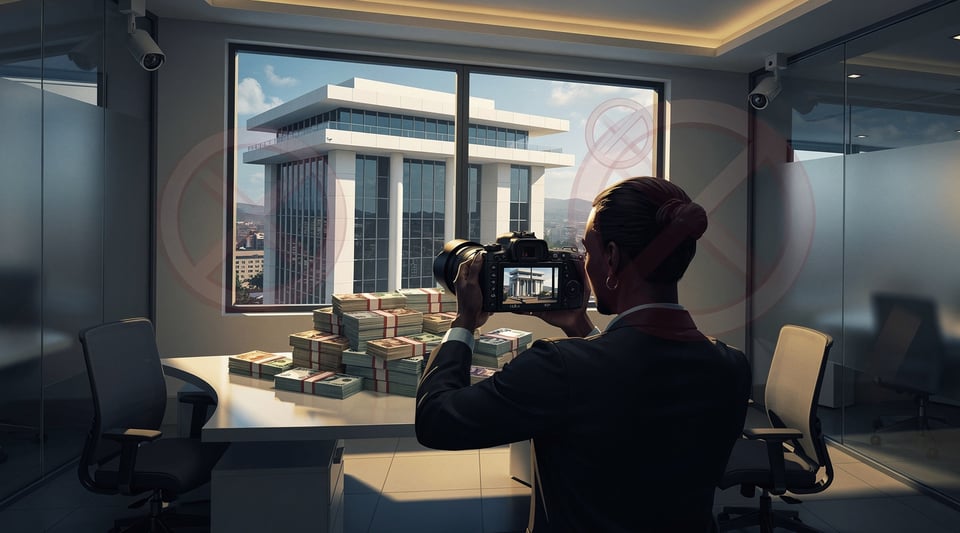
In Kenya, it is illegal to photograph currency without written approval from the Central Bank, and photographing government buildings and other 'prohibited places' requires permission from authorities under the Official Secrets Act and Protected Areas Act.
Currency Photography Rules Under Central Bank Regulations
Kenya's photography restrictions stem from two distinct legal frameworks addressing different security concerns. The currency photography ban, enforced through the Central Bank of Kenya (Currency Handling) Regulations of 2010, aims to prevent counterfeiting by controlling the reproduction of banknote images. The Central Bank warns that anyone wishing to use images of Kenyan currency—whether for social media, publications, or promotional purposes—must apply in writing and receive approval. This became particularly prominent in 2019 when CBK issued public warnings after the rollout of new banknotes, as excited Kenyans shared photos of their 'first new notes' online.
2016
Government Building Restrictions From Colonial Era Law
The restrictions on photographing government buildings are much older, rooted in the Official Secrets Act of 1968 (a colonial-era law based on British legislation) and the Protected Areas Act. These laws designate certain locations as 'prohibited places' for national security reasons, including State House, military barracks, airports, the Central Bank building, Parliament, and diplomatic missions.
Enforcement Tensions And Penalties For Violations
This has created tension between security concerns and modern realities. Critics argue the laws are archaic, noting that thousands of images of these buildings already exist online. In 2016, four British tourists were arrested at Wilson Airport for photographing near a police hangar. In 2023, YouTuber Miss Trudy sparked national debate when airport security confronted her for filming at Moi International Airport. Violators face fines up to KSh 200,000 under the Official Secrets Act and Protected Areas Act, and up to KSh 100,000 for unauthorized currency reproduction.
Where the story gets it wrong
Many believe photography restrictions only apply to intentionally suspicious photography, or that casual tourist photos are exempt. In reality, the laws technically prohibit any unauthorized photography in protected areas regardless of intent, though enforcement is inconsistent—some tourists photograph without issue while others are detained.
The currency law is often misunderstood as only applying to physical reproduction or counterfeiting. In fact, it covers any use of currency images, including social media posts and videos, requiring written approval regardless of the medium.
Under the Central Bank of Kenya (Currency Handling) Regulations, 2010: 'No person shall use cash or images of cash, current or historical, for publication or promotional or any other purposes other than as currency without the prior written approval of the bank.' Under the Official Secrets Act, 1968, Section 3(2): 'Any person who takes a photograph of a prohibited place or who takes a photograph in a prohibited place, without having first obtained the authority of the officer in charge of the prohibited place, shall be guilty of an offence.' The Protected Areas Act Chapter 204 lists specific government installations where photography is prohibited.
- Current status
- Actively Enforced
- Enacted
- January 1, 1968
- Penalty
- Up to KSh 200,000 fine under Protected Areas Act and Official Secrets Act; up to KSh 100,000 fine for unauthorized currency images; imprisonment up to 2 years for Protected Areas violations; up to 6 months for currency offenses at airportsFine: up to KES200,000Imprisonment: 2 years
- Jurisdiction
- National laws applicable throughout Kenya