“If you cut a hole in ice, Canadian law requires you to guard it”
ACTIVE! Everyone who makes or causes to be made an opening in ice that is open to or frequented by the public is under a legal duty to guard it in a manner adequate to prevent persons from falling in by accident and adequate to warn them that the opening exists.
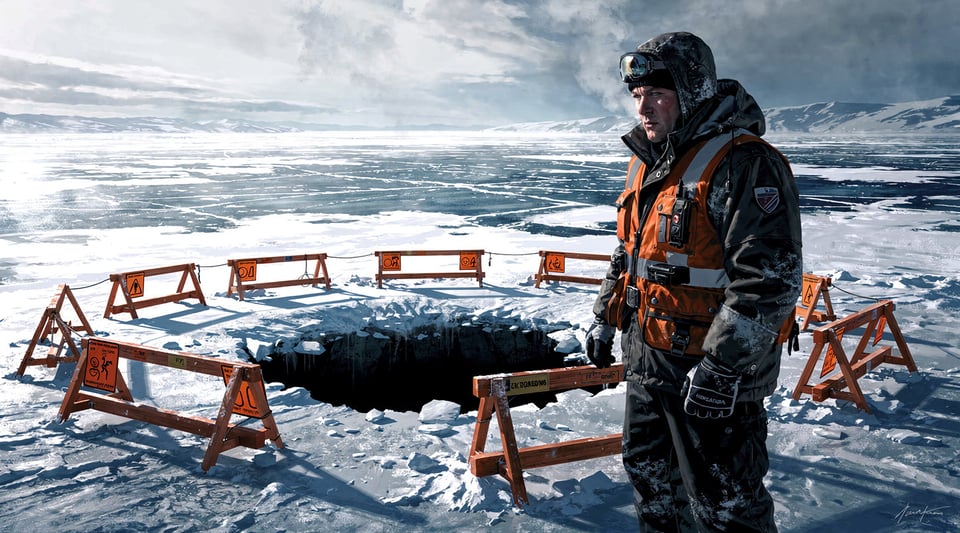
In a country where frozen lakes and rivers are ubiquitous, ice fishing is a beloved winter tradition. But abandoned ice holes are death traps—a skater, snowmobiler, or pedestrian can fall through without warning. Canadian criminal law addresses this by imposing an affirmative duty: if you cut a hole in ice in a public area, you must guard it adequately or warn people of its existence. This isn't a suggestion—it's a legal obligation with criminal consequences. The duty applies to anyone who creates the hazard, not just commercial ice fishing operators. This is practical public safety law for a country where frozen bodies of water are part of daily winter life for millions of Canadians.
Where the story gets it wrong
A common belief is that this is provincial legislation that varies from province to province. It is not: the duty sits in section 263 of the federal Criminal Code and applies identically across all of Canada.
Another misconception is that the duty only targets commercial operations or organized fishing areas. The statute imposes it on "every one" who makes or causes an opening — the real limit is that the ice must be "open to or frequented by the public," so a hole on a private pond nobody else uses is outside the section.
Some think the law requires a full-time human guard stationed at every ice hole. The duty is to guard the opening "in a manner that is adequate" to prevent accidental falls and to warn that it exists — adequate marking or barriers can satisfy it, and warning signs and barriers are how lake-aeration programs comply in practice.
Every one who makes or causes to be made an opening in ice that is open to or frequented by the public is under a legal duty to guard it in a manner that is adequate to prevent persons from falling in by accident and is adequate to warn them that the opening exists.
- Current status
- Rarely Enforced
- Enacted
- July 9, 1892
- Penalty
- Summary conviction offence under s. 263(3)(c). Default summary conviction penalties apply: fine up to $5,000, imprisonment up to 2 years less a day, or both. If someone falls in and dies, the person responsible may face manslaughter charges; if injured, charges of criminal negligence causing bodily harm.
- Jurisdiction
- Federal law - section 263 of the Criminal Code applies uniformly across Canada. The duty covers only openings in ice that is open to or frequented by the public.