“Electric fans can kill you overnight in South Korea”
CULTURAL BELIEF, NOT A LAW. While not illegal, some Korean fans are sold with automatic shut-off timers, and safety warnings have appeared on fan packaging.
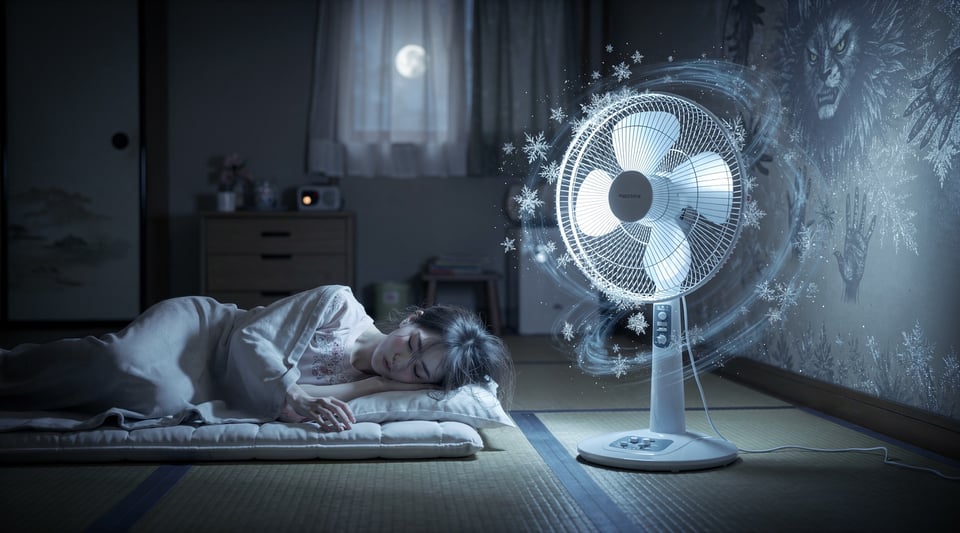
The Belief: Running an electric fan in a closed room overnight can cause death by hypothermia or asphyxiation. Legal Impact: While not illegal, some Korean fans are sold with automatic shut-off timers, and safety warnings have appeared on fan packaging. Scientific Consensus: There is no evidence that fans can cause death in this manner. The belief is considered a cultural phenomenon, possibly originating from government messaging during 1970s energy crises to reduce electricity consumption. Why Include This: It illustrates how cultural beliefs that seem "law-like" can spread and become treated as fact, even without actual legislation - relevant to understanding how weird law myths propagate.
Where the story gets it wrong
Many people outside Korea assume fan death is an obscure law or government regulation, when it is actually a cultural superstition with no legal basis. While South Korean media has reported fan-related deaths, medical experts attribute these to other causes such as heat stroke or pre-existing conditions. The belief has significantly declined since the 2000s due to internet skepticism.
Fan death is not a law but a widespread cultural belief in South Korea dating back to the 1920s, when newspapers first warned of risks from electric fans. The belief holds that sleeping in a closed room with a running electric fan can cause death by hypothermia or asphyxiation. No scientific evidence supports this claim. Korean electric fan manufacturers responded to the belief by including automatic shut-off timers on fans sold domestically.
- Current status
- Unknown